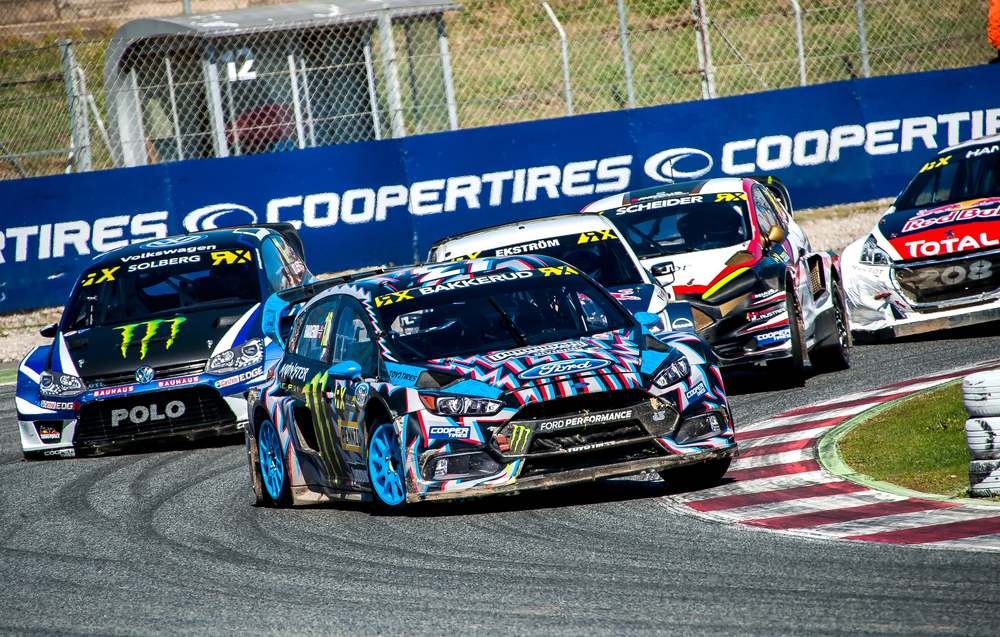
 Racing is simply anyone getting from point A to point B in the fastest time. It can cover all sorts of different sporting events from cars, boats and bikes, to people and animals. Racingcrashes.net aims to bring you all the news, information and answers on all things racing and provide a comprehensive guide to what is going on in all the worlds of racing.We will cover the main areas of racing with histories of the individual sports, how they came to be and more. Of course, when the word ‘racing’ pops up, most people immediately assume it is horse racing and this will of course be a big focus for the page. With this in mind, we will cover some of the top jockeys of the world, exceptional horses and also discuss the respective merits of flat and jump racing. We will provide form for all current racing horses and discuss the different races and tracks to give our readers a comprehensive insight into this world.In addition, we will cover all the different types of automobile races, from Formula One to stock car races at NASCAR. Motorbike and cycling races will also be covered as will simple running races such as marathons and other long-distance foot races that take place. For those that are interested in participating in these latter events, we will also add some information on training techniques, diets and places to prepare for such an event. For all these events we will also highlight the top athletes and competitions, keeping our readers up to date with the outcomes of all of them.Racing in any form is exhilarating. The thrill of seeing who will finish first and whether any records will be broken is always a strong draw and is the purest and simplest form of sport. For this reason, racing will never disappear from our sporting calendar.